| Buildings in and around the Potteries which were designed by Sir George Gilbert Scott |
|
Sir George Gilbert Scott PRIBA (1811-1878)
Although not born or based in the Potteries G. G. Scott designed a significant number of building in Stoke-on-Trent and Newcastle-under-Lyme. He accepted commissions from notable local people such as the pottery manufacturer Herbert Minton and the Duke of Sutherland.
He was leading architect of the Gothic revival, born in Gawcott, Buckinghamshire. He started in architecture by designing gaols and workhouses, but later studied French Gothic Cathedrals and Churches, being much influenced by the ideas of Augustus Welby Pugin.
Scott worked for the architect Henry Roberts and the builders Peto and Grissell before setting up his own practice. His output was astonishing - nearly 1000 buildings were designed by him and his firm.
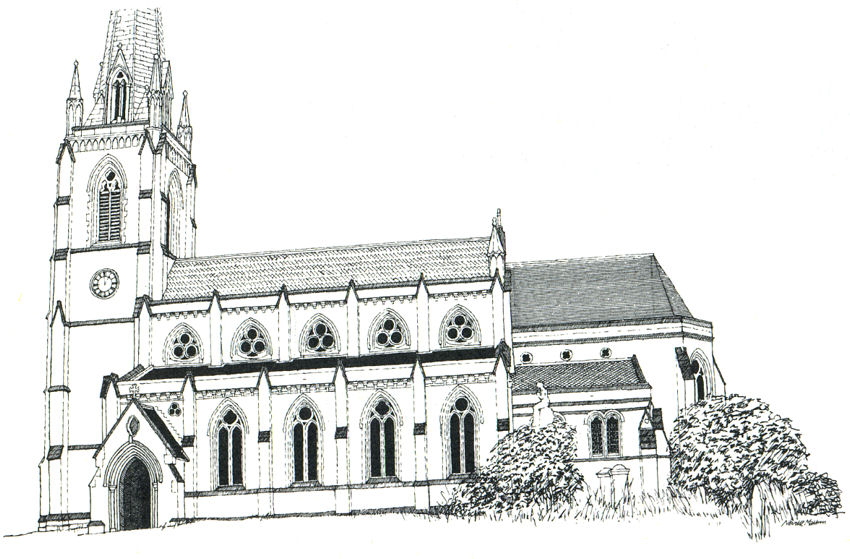
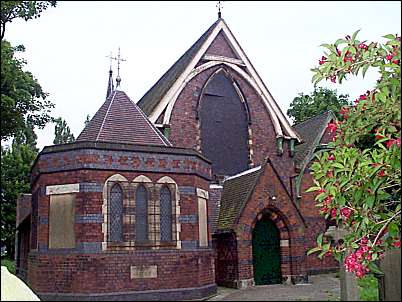
Holy Trinity Church - Hartshill, Stoke
Designed by George G Scott for Herbert Mintonpen drawings by Neville Malkin
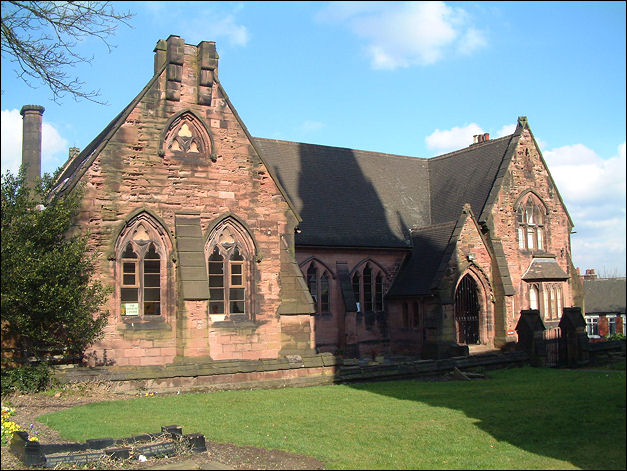
School Rooms to Holy Trinity Church
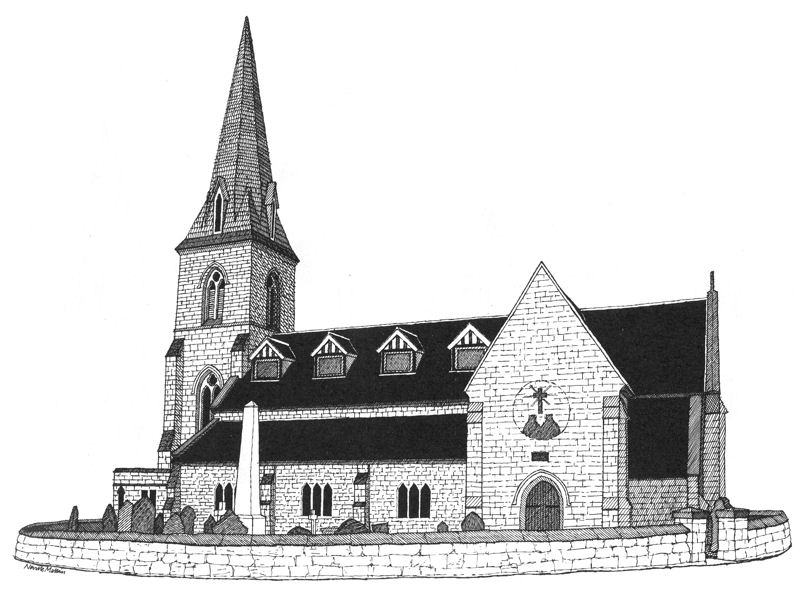
St. Thomas's Church, Penkhull
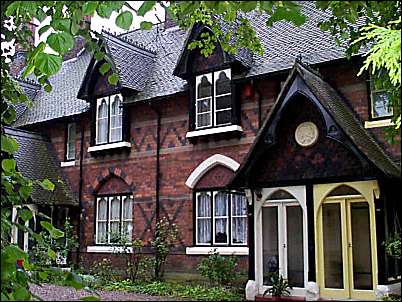
Minton Cottages, Hartshill Road
Church of the Resurrection, Dresden
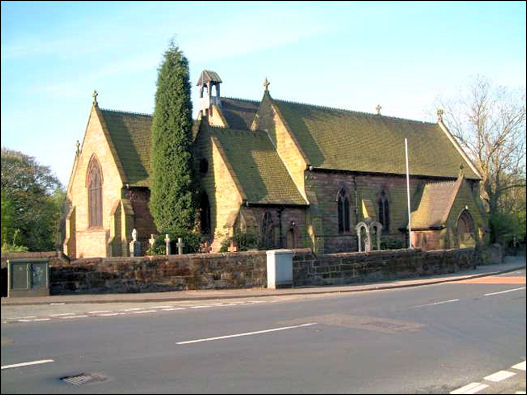
Church of the Holy Evangelists, Normacot
Scott was responsible for many London buildings including, the Albert Memorial (1862-3), St Pancras Station (1865), the Home Office and Colonial Office (1858 onwards), and the India Office (originally planned as Gothic by Scott, but then changed to Italian Renaissance style after a change of Government) on Whitehall.
In Oxford, he designed the Martyrs' Memorial (1841), St John's College Chapel and Exeter College Chapel. In Scotland he was the architect of the Episcopal Cathedral, Edinburgh, and Glasgow University (1865). He also worked on the restoration of various cathedrals, including Ely, Gloucester, Chester, St Davids, Salisbury, Worcester, and Rochester.
Scott is buried in Westminster Abbey.
also see..
Holy Trinity Church, Hartshill
Church of the Resurrection, Dresden
Church of the Holy Evangelists, Normacot
comments/questions/contributions? email: Steve Birks