| Stoke-on-Trent, England - home of the North Staffordshire Potteries |
|
|
|
|
||


Use of the British Royal Coat of Arms on Pottery Marks
make selection from the following list:-
| English Pottery Marks using Royal Arms |
| American Potteries copying the Royal Arms |
or step through page at a time:-

next: meaning of the
Royal Arms
|
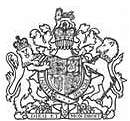
The Royal Arms may only be used legitimatly by businesses which are holders of a Royal Warrant. Nowadays Royal Warrants are granted to people or companies who have regularly supplied goods or services for a minimum of five consecutive years to members of the Royal Family.
However
in the late 19th and early 20th century many potters who did not have a
Warrant (both in England and also foreign firms) also used the Arms (or
some similar design) as
part of their mark - to gain some sense of importance and value.
From earliest times tradesmen and women have served their sovereign by providing goods and services – from making robes and regalia to repairing roofs and painting walls. The first rewards for this loyal service came in the form of Royal Charters which were granted to the trade guilds, later known as livery companies. The earliest recorded Royal Charter was granted to the Weavers’ Company in 1155 by Henry II. In 1394 Dick Whittington helped obtain a Royal Charter for his own Company, the Mercers, who traded in luxury fabrics. By the 15th century Royal
tradesmen were recognised by means of a Royal Warrant of Appointment - a
practice that continues to this day. In the late 18th century
Warrant Holders began displaying the Royal Arms on their premises and
stationery. However, it was Queen Victoria who ensured Royal Warrants gained the prestige they enjoy today. During her 64 year reign the Queen and her family were responsible for granting more Royal Warrants than ever before – more than 2000.
Wikipedia: Royal Warrant of Appointment
|

Questions,
comments, contributions? email: Steve
Birks